

Blog
How Much Do Shipping Container Homes Cost? (2026 Price Guide)

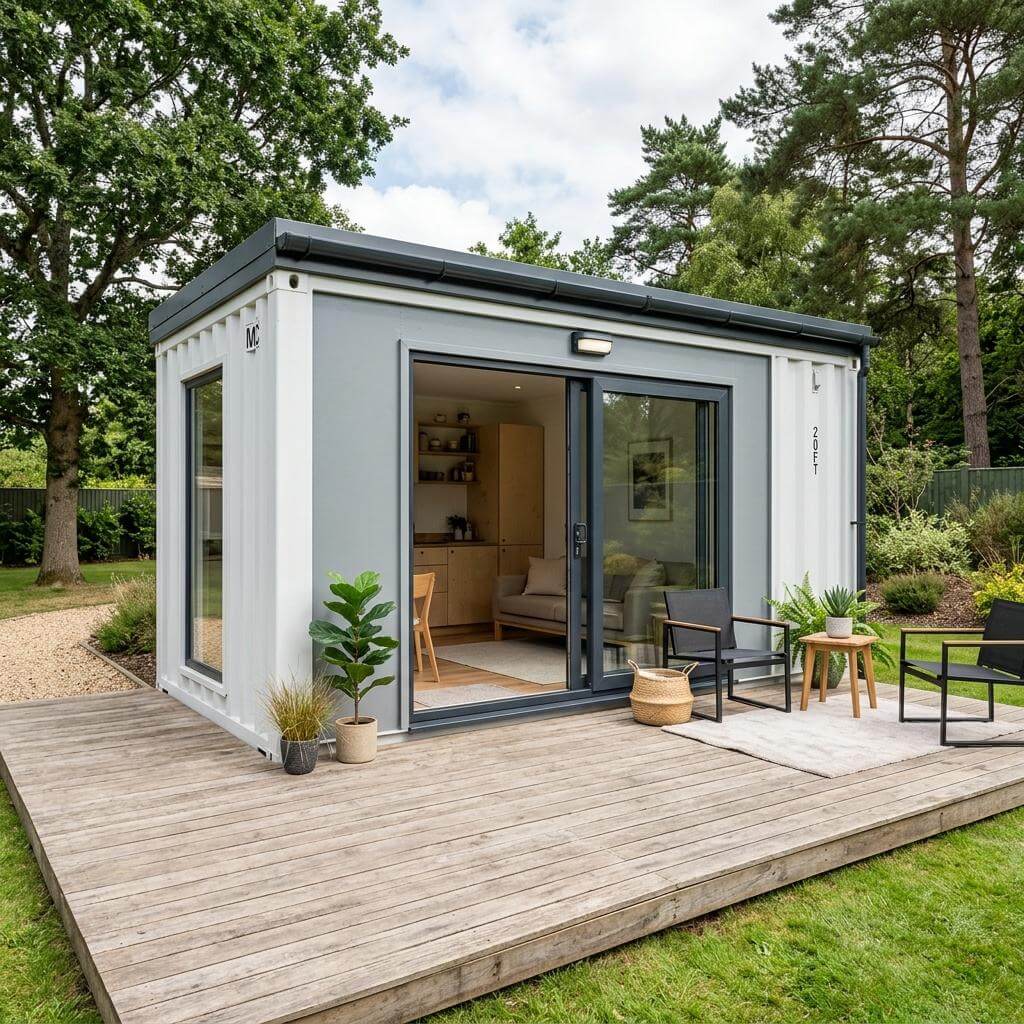
How Much Do Shipping Container Homes Cost? Complete 2026 Price Guide
Shipping container homes have become an increasingly popular alternative to traditional housing in the United States. With their modern appearance, flexible designs, and potential for lower construction costs, these homes appeal to homeowners looking for creative and practical living spaces.
But how much do shipping container homes cost in 2026? Are they really cheaper than traditional houses, and what should you expect to spend when building one in New York?
The answer depends on several factors, including container size, condition, design, labor, insulation, permits, and location.
In this comprehensive guide, we’ll break down shipping container home prices, explain the hidden expenses, and help you understand what it takes to turn a steel shipping container into a comfortable living space.
How Much Do Shipping Container Homes Cost in 2026?
In 2026, shipping container homes typically cost between $25,000 and $250,000 or more, depending on the size, design, and level of customization.
A small, basic container home can cost significantly less than a larger custom-built residence. Fully finished projects often cost approximately $150 to $350 per square foot, although site conditions and local construction requirements can increase the total.
Here’s an estimated breakdown:
| Shipping Container Home Type | Estimated Cost |
|---|---|
| Basic 20ft container home | $25,000–$50,000 |
| Finished 40ft container home | $50,000–$100,000 |
| Two-container home | $80,000–$160,000 |
| Three-container family home | $130,000–$220,000 |
| Luxury custom container home | $200,000–$350,000+ |
These are broad planning estimates, not guaranteed turnkey prices. Land, foundations, utility connections, delivery, and permits may cost extra.
1. How Much Does a 20ft Shipping Container Home Cost?


A 20-foot shipping container is one of the most affordable starting points for building a compact container home.
A standard 20ft shipping container measures approximately 20 feet long and 8 feet wide, providing about 160 square feet of exterior footprint.
Estimated cost: $25,000–$50,000 for a basic finished conversion, before some site-specific expenses.
A 20ft container home may include a compact sleeping area, small kitchenette, bathroom, basic storage, and heating or cooling.
These homes are particularly suitable for:
-
Tiny homes and minimalist living
-
Backyard guest houses, where permitted
-
Vacation cabins
-
Small rental accommodations
-
Personal retreats
However, adding a bathroom, plumbing, insulation, and electrical systems can substantially increase the final cost.
For buyers looking to start a container home project, purchasing a structurally sound container is an important first step.
2. How Much Does a 40ft Shipping Container Home Cost?


A 40-foot shipping container provides considerably more living space than a 20ft unit, making it a popular option for homeowners who want a comfortable one-bedroom layout.
A standard 40ft container has approximately 320 square feet of exterior footprint.
Estimated cost: $50,000–$100,000 for a finished conversion, with professionally managed turnkey projects and site expenses potentially pushing the total higher.
A typical 40ft shipping container home can accommodate a bedroom, bathroom, kitchen, living area, and storage.
High-cube shipping containers are often preferred for residential conversions because their additional height provides more room for insulation, ceilings, and utilities.
For example, a standard container is approximately 8 feet 6 inches tall, while a high-cube container is approximately 9 feet 6 inches tall.
That extra foot can make a noticeable difference in comfort and interior design.
3. How Much Does a Two-Container Home Cost?


Combining two shipping containers allows homeowners to create larger living spaces with more flexible floor plans.
Estimated cost: $80,000–$160,000 for the converted structure, depending on finishes and construction complexity.
A two-container home can include two bedrooms, a larger living room, kitchen, bathroom, and additional storage.
Some designs position containers side by side, while others stack them to create two-story homes.
However, connecting multiple containers often requires structural reinforcement, engineering, and additional foundation work.
Removing large sections of steel walls without proper reinforcement can compromise the structural integrity of the containers.
For this reason, multi-container projects should involve qualified structural professionals.
4. What Is the Cost of Building a Shipping Container Home?
Purchasing the shipping container itself is only a small portion of the total construction budget.
Homeowners must also account for site preparation, foundations, insulation, utilities, interior finishing, and local building requirements.
The following table illustrates a hypothetical budget for converting a 40ft container into a small home.
| Construction Expense | Example Budget |
|---|---|
| Used 40ft shipping container | $4,000 |
| Delivery and placement | $3,000 |
| Foundation and site preparation | $10,000 |
| Structural modifications | $8,000 |
| Insulation and interior walls | $8,000 |
| Electrical and plumbing | $12,000 |
| Kitchen and bathroom | $15,000 |
| Flooring, doors, and windows | $7,000 |
| HVAC installation | $5,000 |
| Permits and professional fees | $5,000 |
| Contingency allowance | $10,000 |
| Estimated total | $87,000 |
This is an illustrative estimate, not a contractor quotation. It excludes land purchase and assumes relatively manageable site conditions.
Actual costs can be substantially higher, particularly in expensive construction markets.
5. Are Shipping Container Homes Cheaper Than Traditional Houses?
Shipping container homes can be cheaper than traditional houses, especially when the design is small, straightforward, and uses existing container dimensions efficiently.
However, they are not automatically cheaper on a per-square-foot basis.
Container homes still require many of the same essential systems found in conventional houses, including plumbing, electricity, heating, cooling, insulation, and code-compliant foundations.
Large window openings, complex layouts, and extensive structural modifications can also eliminate much of the potential cost advantage.
For the greatest savings, homeowners should consider a simple design, minimal structural alterations, standard materials, and a location with convenient utility access.
6. How Much Does It Cost to Convert a Shipping Container Into a House?
Converting a shipping container into a home involves much more than adding windows and furniture.
A typical conversion includes several major stages.
Structural modifications: Carefully design openings for windows and doors. Large openings may require additional steel reinforcement.
Insulation: Steel conducts heat rapidly, so effective insulation and moisture control are essential. Depending on the design, consider spray foam, mineral wool assemblies, and other suitable insulation systems.
Plumbing and electrical systems: A residential conversion needs safe wiring, water supply, drainage, lighting, and properly installed fixtures.
Interior finishing: Drywall or other wall finishes, flooring, cabinetry, kitchens, and bathrooms transform the container into a livable space.
Heating and cooling: Mini-split heat pumps and other efficient systems are common options for compact homes.
The total conversion cost depends on how much work is completed professionally, the materials selected, and the condition of the original container.
7. How Much Do Shipping Container Homes Cost in New York?
Building a shipping container home in New York can be more expensive than in some other states because of labor costs, land prices, site access, and local construction requirements.
Costs also vary considerably between New York City, Long Island, the Hudson Valley, and Upstate New York.
For example, delivering and positioning a container on a spacious rural property may be much easier than installing one on a narrow urban lot in Brooklyn.
Can You Build a Shipping Container Home in New York?
Shipping containers can be used as building components in New York, but residential projects must comply with applicable zoning, building, structural, fire safety, and energy requirements.
New York’s 2025 building code includes Section 3114, which specifically addresses shipping containers repurposed for buildings. It covers structural design, foundations, and related safety requirements.
Before purchasing a container for residential use, contact the appropriate local building department to confirm whether your proposed project is allowed.
This is especially important in Brooklyn, Queens, the Bronx, Manhattan, and Staten Island, where New York City’s own zoning and building requirements must also be considered.
8. New vs. Used Shipping Containers: Which Is Better for a Home?
Choosing between new and used shipping containers can affect both your initial investment and long-term construction costs.
New Shipping Containers
New or one-trip shipping containers generally offer cleaner interiors, less wear, and fewer repair requirements.
They are often a good choice for residential projects where appearance and condition are priorities.
Used Shipping Containers
Used containers typically cost less upfront and can be suitable for residential conversion when carefully inspected.
Before purchasing, check for corrosion, structural damage, roof leaks, floor condition, and evidence of previous contamination.
For residential use, it is especially important to understand the container’s previous use and determine whether its existing flooring and coatings are appropriate for habitation.
9. How to Save Money When Building a Shipping Container Home
A shipping container home doesn’t have to be unnecessarily expensive. Careful planning can help reduce construction costs without compromising safety or comfort.
1. Choose the right container size. A 40ft container may offer better space efficiency than joining multiple smaller units.
2. Limit structural modifications. Keeping more of the original steel structure intact can reduce engineering and reinforcement expenses.
3. Compare new and used containers. A well-maintained used container may provide good value.
4. Plan utilities before purchasing. Water, electricity, sewer connections, and site access can significantly affect your budget.
5. Consider high-cube containers. Their additional interior height can make insulation and finishing easier.
6. Get professional estimates early. Compare quotations for foundation work, delivery, structural modifications, and finishing before committing to a design.
7. Maintain a contingency budget. Set aside approximately 10%–20% for unexpected expenses, depending on project risk.
10. Are Shipping Container Homes Worth the Investment?
Shipping container homes can be a worthwhile investment for people who value compact living, modern architecture, and adaptable construction.
They may work particularly well for vacation properties, guest accommodations, small residences, and creative housing projects.
However, prospective owners should evaluate the complete project cost rather than focusing only on the purchase price of the shipping container.
Long-term considerations include maintenance, insulation performance, local regulations, insurance, financing, and resale potential.
A well-designed, properly permitted container home may provide lasting value, but the financial benefits depend heavily on the individual project.
Frequently Asked Questions About Shipping Container Home Costs
How much does a shipping container home cost on average?
Shipping container homes can cost approximately $25,000 to $250,000 or more in 2026. Small, basic conversions occupy the lower end of the range, while large custom residences can exceed it.
Can you build a shipping container home for $20,000?
A very basic DIY conversion may be possible with a limited budget, particularly if you already own land and have access to utilities. However, building a fully permitted, professionally finished residential home for $20,000 is generally difficult.
How much does a 40ft shipping container home cost?
A finished 40ft container conversion may cost around $50,000 to $100,000, excluding certain site expenses. Fully installed projects with extensive professional work can cost considerably more.
How long do shipping container homes last?
A properly designed and maintained shipping container home can potentially last several decades. Longevity depends on corrosion protection, structural condition, drainage, maintenance, and local environmental conditions.
Do shipping container homes need foundations?
Yes. Permanent container homes generally require foundations or engineered supports appropriate to their site and applicable building code. Simply placing a container on bare ground is not a substitute for a properly designed foundation.
Do shipping container homes need permits?
Generally, yes. Residential container homes must comply with applicable building and zoning regulations. Permit requirements depend on the location and scope of construction.
Is it cheaper to buy or build a shipping container home?
Buying a completed container home can provide greater cost certainty, while managing a conversion yourself may offer savings. The better choice depends on your construction experience, labor costs, and the condition of the container.
Can shipping container homes be built in Brooklyn, New York?
Potentially, but feasibility depends on the specific property, zoning, building regulations, and required approvals. Check with the New York City Department of Buildings and other relevant authorities before purchasing containers for a residential project.
Buy Shipping Containers in New York From Brooklyn Container Yard
Planning to build a shipping container home? Choosing the right container is one of the most important decisions you’ll make.
At Brooklyn Container Yard, you can begin your search for shipping containers suitable for your planned project.
Whether you’re considering a compact 20ft container home, a spacious 40ft design, or a larger multi-container residence, understanding the available container sizes and conditions will help you make an informed decision.
Explore shipping container options, compare sizes, and request information about availability and delivery for your New York project.
Visit Brooklyn Container Yard to get started.
Important: An unmodified shipping container is not a finished dwelling. Confirm structural suitability, local building approvals, and project requirements before purchasing a container for residential conversion.
